
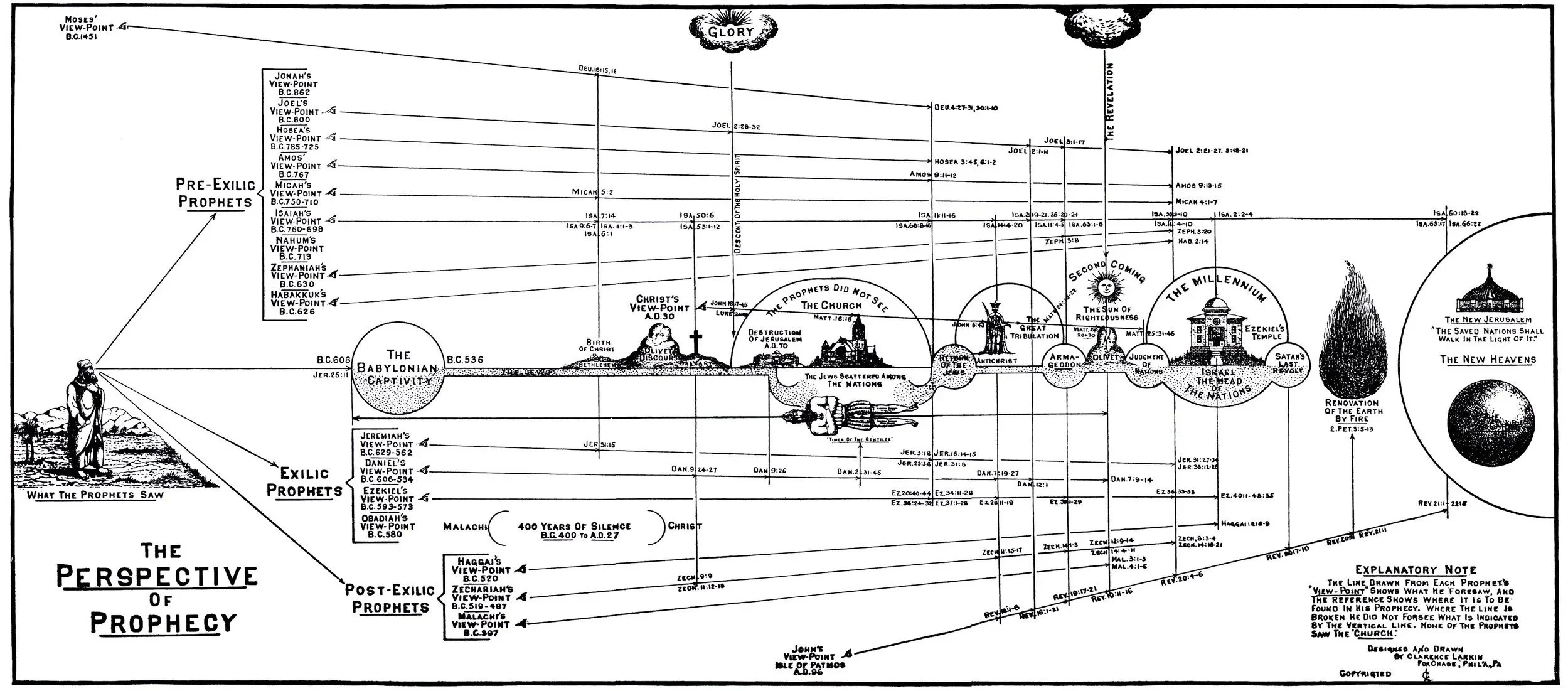
the perspective of prophey

I
S
A
I
A
H
Overview
These three verses in the Book of Isaiah—Isaiah 60:10, 65:17, and 66:22—form a tightly related prophetic sequence that moves from concrete restoration to cosmic renewal and final permanence. Taken together they sketch a theological trajectory: local rebuilding and international reconciliation, a divine re-creation that eradicates former suffering, and the unassailable continuity of God’s people within that new order.
Verse synopses and theological contours
Isaiah 60:10 — Restoration and reversal
Focus: The rebuilding of Jerusalem and the reversal of prior subjugation.
Imagery and implication: Foreigners rebuild the walls, and their kings serve God’s people. This reversal of roles signals not only physical reconstruction but also international reorientation—nations that were once oppressors become builders and supporters. The verse emphasizes restoration as social and political rehabilitation under divine favor.
Scholarly note: The image of foreign participation underscores the theme of the nations’ ingathering into Yahweh’s covenantal scope, consonant with Isaiah’s broader prophetic vision of universal recognition of God.
Isaiah 65:17 — Divine re-creation and remembered forgetfulness
Focus: The proclamation of a radically new creation: “new heavens and a new earth.”
Imagery and implication: This is not merely renovative repair but ontological renewal. The promise includes the erasure of former troubles and sorrow—“they shall not be remembered or come to mind”—signaling an absolute break with the past’s pain and sin.
Theological significance: The language establishes a cosmic dimension to salvation: God’s restorative work ultimately transcends political or national restoration and issues in a transformed cosmos in which the conditions that produced suffering are removed.
Isaiah 66:22 — Permanence of the new order and continuity of God’s people
Focus: The durability of the new creation and the lasting continuity of God’s people.
Imagery and implication: The verse parallels the permanence of the “new heavens and new earth” with the perpetuity of offspring and name—pointing to both corporate survival and generational continuity. The new creation and God’s people are bound together in an enduring covenantal future.
Canonical placement: As a concluding crest to Isaiah’s corpus, this verse functions as a theological capstone that secures the prior promises in an eternal horizon.
Interconnections and trajectory
Movement from local to cosmic: Isaiah 60 situates hope in tangible, civic restoration (Jerusalem’s walls rebuilt); Isaiah 65 enlarges that hope to cosmic re-creation; Isaiah 66 secures the future by asserting permanence for both creation and people.
The nations and the covenant: Isaiah 60’s foreign builders and rulers prefigure the universal scope of the re-creation in 65; the ingathering of nations is both cause and sign of the wider renewal.
Memory and discontinuity: Isaiah 65’s promise that former troubles “shall not be remembered” reframes restoration as not only restorative but transformative—history is not merely amended but superseded. Isaiah 66 then ensures that this transformed reality persists.
Practical and interpretive implications for study
Historical-critical reading: Consider the socio-political circumstances shaping each oracle—post-exilic hopes, prophetic reimaginings of divine kingship, and the rhetorical function of universalism in Isaiah’s later sections.
Literary-theological reading: Track motifs—walls, kingship, new creation, remembrance, offspring—to see how Isaiah interlaces civic restoration with cosmic eschatology.
Reception history: Note how later Jewish and Christian readers appropriate these verses in discussions of eschatology, messianic expectation, and the theology of hope and renewal.
Conclusion
Isaiah 60:10, 65:17, and 66:22 together present a compact but profound prophetic arc: the rebuilding of God’s city with international cooperation, the declaration of a wholly renewed creation where sorrow is abolished, and the assurance that both creation and God’s people will endure forever. For scholars and students, reading these verses in sequence reveals Isaiah’s movement from immediate restoration to ultimate, perpetual renewal—an integrated vision of political, communal, and cosmological hope.
Pre-Hebrew Eschatology and Prophetic Eschatological View Point of Hebrew Bible Text. When there is no scripture reference; there is No Prophecy. The Prophets wrote by Inspiration; with Purpose and Devine Clarity.
Holy Scripture started with the messages provided to Ant-Diluvian AND Pre-Hebrew Prophet Enoch, 7th from Adam, Son of Jared; were distributed to Anti-Diluvian Earth by Enoch’s sons; as was instructed in the multiple Heaven venue accounts recorded by Enoch.
The Messages were canonized at the time of the Anti-Diluvian Flood; as the doors to the Ark were sealed, Noah; 10th from Adam; and Family are Not Hebrew. Noah; His Wife; His 3 sons and their 3 Wives carried the messages onto the Ark. 8 people entrusted with the messages; disembarked on the Dry Land of the geologic Super-Continent Pangea. Shem; Ham and Japheth birthed the original 70 Nations of Post Diluvian Earth.
Abram|Abraham 14th from Adam; chosen as 1st Hebrew. Hebrew Text captures the Adam, Enoch and Noah Covenants; which includes, Moses, the Prophets and the Psalms.
Canonization of Holy Scripture: Moses View Point; Pre-Exilic, Exilic, Post Exilic Prophecy canonized by Joshua, Ezra; Christ of Son of Man- Son of God; John; prophecing again provides the last Revelation Prophecy of Jesus Christ; Revelation 19:10b, For the [Alpha-Omega] Testimony of Jesus Christ is the Spirit of Prophecy.
J
O
H
N
Overview
Revelation 21:1–22:5 presents a theologically rich, symbol-laden vision of the New Jerusalem—the consummate dwelling place of God with redeemed humanity. The passage functions as both eschatological promise and theological summation: it resolves sin’s effects, redefines sacred space, and depicts the restoration of life and fellowship. Key images—the city, the throne, the river, and the Tree of Life—operate as concentric symbols of divine presence, provision, and governance.
Key Themes and Verses
The Dwelling of God (Revelation 21:3–4): The central assurance is God’s intimate presence with humanity: “Behold, the dwelling place of God is with man.” This presence brings decisive reversal—“no more death, mourning, crying, or pain”—because “the old order of things has passed away.” The motif emphasizes relational restoration and the termination of cosmic brokenness.
No Temple Needed (Revelation 21:22): The absence of a temple indicates a transformed sacred architecture. The city itself, suffused with God’s presence, renders constructed intermediaries unnecessary. “God and the Lamb” occupy the role of locus for worship and access, collapsing distance between Creator and creation.
The River and Tree of Life (Revelation 22:1–2): Flowing from the throne, the River of the Water of Life and the Tree of Life symbolize ongoing sustenance and restorative abundance. The tree’s perennial fruit and leaves for “the healing of the nations” suggest both continuous provision and the removal of ethnic or spiritual division—healing that extends beyond mere individual wellbeing to communal and international reconciliation.
Eternal Light (Revelation 22:5): The imagery of unending daylight—“there will be no night” and no need for sun or lamp—points to God’s self-sufficient glory as the ultimate source of illumination, knowledge, and safety. Light here conveys presence, truth, and the eradication of fear and ignorance.
Reigning Forever (Revelation 22:5): The concluding promise assigns a dual role to the faithful: service and reign. Believers “will reign forever and ever,” serving God in a context of rest and peace. This language merges concepts of worshipful vocation and delegated authority within the restored creation.
Interpretive Notes for Study
Symbolic Density: The text uses symbolic elements rooted in earlier biblical motifs—Garden of Eden (Tree of Life), Edenic rivers, temple imagery, and prophetic visions of God’s eschatological presence. Understanding these intertextual echoes clarifies how Revelation reframes creation, covenant, and temple themes.
Temple and Presence: The removal of the temple as a physical structure shifts the theological emphasis from mediated worship toward direct divine indwelling. This signals a final fulfillment of theocratic intimacy anticipated throughout Scripture.
Universal Scope of Healing: The phrase “healing of the nations” suggests a restorative vision that addresses corporate, cultural, and political rupture, not merely individual salvation. It implies a healed creation where reconciliation is enacted across former divides.
Eschatological Now and Not Yet: While vividly future-oriented, Revelation’s vision informs present Christian hope and ethical orientation. The promise of eventual eradication of sorrow and pain motivates perseverance, communal care, and participation in restorative witness.
Pastoral Implications
Comfort and Hope: The depiction of a reality in which suffering ceases offers profound pastoral consolation in contexts of grief and oppression.
Worship and Access: Emphasizing God’s immediate presence encourages liturgical and spiritual practices shaped by the conviction of access to God without barriers.
Mission and Reconciliation: The restorative language invites Christian engagement in healing work that anticipates the final reconciliation of the nations.
Conclusion
Revelation 21:1–22:5 presents a consummate vision of the redeemed order: a city in which God dwells visibly among people, where life flows from the throne, death and pain are abolished, and the faithful live and reign in perpetual service and fellowship. Its symbolic tableau recapitulates and fulfills biblical promises, offering both comfort and ethical impetus for believers.

bible experience education Driven by want to know
Our journey has been anything but ordinary. Through every step, we've focused on staying true the calling given; Write A Curriculum”. Our value is a single thought’ We want to do what the Father requires, more than our next breathe.
We created this online space so others with the strong calling to know God and the Power of His Might; as seen in Habakkuk 2:14.
But the Earth will be filled with the KNOWLEDGE of the Glory of the Lord; as the waters cover the sea... A Useful Lasting Work.
We have been driven by want to know; whether a sleep vision or a woke vision; even hearing the blessed still small voice; we continue to write the Curriculum.
This isn’t just a business; it is ministry—it’s a reflection of what we believe in.
We are on this planet to create a work that matters, led by only the Spirit of God; who speaks guides instructs according to scripture and that; only. We share a commitment to quality; comprehension; careful research, curation and care to provide to God; what He Desires; within His Plans and Purposes fro the Redemption of Mankind.
The knowledge of the Glory is the Entire Prophecy, Revelation 19:10b; one continuous Linear Bible Story Line beginning at Genesis 3:15; the Redemption of Mankind from the Fall.
II Corinthians 4:6 —
“For God, who said, ‘Let light shine out of darkness,’ has shone in our hearts to give the light of the knowledge of the glory of God in the face of Jesus Christ.” (ESV)
Summary Paul intentionally invokes the creative currency of Genesis “Let there be light” to frame salvation as a divine, formative act. What began as an act that brought physical light out of primordial darkness, Paul argues, is now repeated in the moral and spiritual sphere: God illumines human hearts so that they may perceive the glory of God, and that glory is disclosed uniquely in Jesus Christ.
Key Themes
Creation Power
Paul borrows Genesis 1:3 to emphasize that salvation is not merely ethical improvement or intellectual persuasion but a sovereign, creative intervention. The same Word that brought cosmos out of chaos enacts spiritual origination—bringing cognitive and moral capacity where none existed.
Spiritual Illumination
“Darkness” functions as a metaphor for spiritual ignorance, corruption, and blindness. Illumination is not passive informational transfer; it is transformative—enabling perception of divine reality. The verb forms suggest God actively “shines” into the heart rather than merely pointing to external evidence.
Christocentric Revelation
The knowledge gifted by this illumination is knowledge of “the glory of God in the face of Jesus Christ.” Christ is presented as the locus and image of divine glory. To see the glory is to see God’s character, purposes, and redemptive work embodied in the person of Jesus.
Theological and Practical Implications
Divine Initiative: Salvation begins with God’s action. Human response matters, but Paul’s logic prevents any boast in human achievement by rooting transformation in God’s creative fiat.
Epistemic Reorientation: Knowing God is not primarily an abstract intellectual exercise; it is participatory and perceptual—God enables the capacity to know by granting light to the heart.
Christ as Hermeneutical Key: Any correct understanding of God’s glory must run through Jesus. Christ is the revelatory interface between God’s unseen essence and human comprehension.